Duke Energy EV Charger Rebate in Casselberry, FL
Duke Energy EV charger rebate Casselberry is one of the most searched questions from Casselberry homeowners — and the answer is good news with a caveat. Duke Energy Florida, which serves Casselberry homes, offers a Charger Prep Credit and a monthly off-peak charging credit. The caveat is that amounts and eligibility change, so this guide explains what the programs are and what to check, without quoting a figure that may already be out of date.
Orlando EV Installers installs Level 2 chargers across Casselberry and Seminole County. Call (407) 555-0134 (placeholder) and we will install your charger to the standard Duke Energy asks for, with the permit, inspection and paperwork trail kept in order. A typical Level 2 home install runs $800–$2,500 including the charger, with simple short-run jobs from around $599.
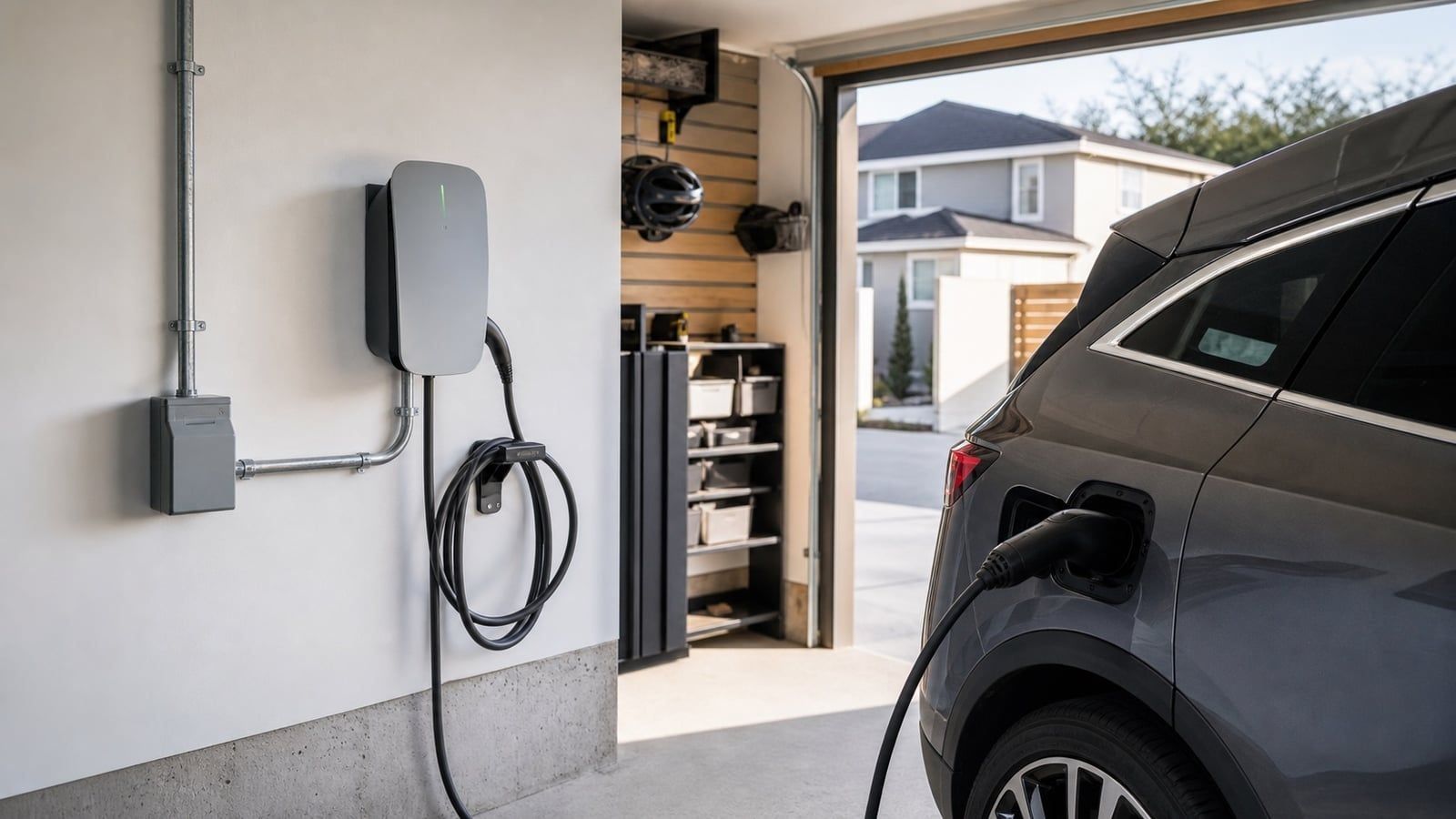
Casselberry Runs on Duke Energy Florida
Casselberry homes run on Duke Energy Florida, not on Orlando Utilities Commission or Florida Power & Light. That matters because EV charging programs in Florida are run by the individual utilities, not by the state — so the program that applies to your home is the one your utility offers. A neighbour in Winter Park on OUC or a neighbour in another part of Orlando on FPL will have different programs, or none at all, for the same charger. Before you count on any rebate, confirm which utility serves your address, then check that utility's current program page.
Casselberry itself shapes the installs too. Lake Howell and the Triplet Lake chain are lined with older ranch homes, many with 100-amp panels, so panel capacity is a common question here — our 100-amp panel guide and our Casselberry cost guide cover the local detail. A load calculation comes first on every job, so you know before work starts whether the panel fits the charger or needs help.
The Duke Energy Florida Programs
Duke Energy Florida offers two related credits for home EV charging. The first is the Charger Prep Credit, a one-time credit toward the preparation work for a home charger — the electrical work that gets the home ready to charge. The second is a monthly off-peak charging credit, paid to eligible customers who charge during off-peak hours, when demand on the grid is lower. Together they are designed to reward the two things that help the grid most: getting the charger installed properly, and using it at night rather than at peak time.
We do not quote a dollar amount for either credit in this guide, deliberately. Amounts and eligibility conditions change, and a figure copied from an old article is worse than no figure at all. Check Duke Energy's current program page or call Duke Energy before you apply, and confirm three things: whether your home and your charger model qualify, what the current credit amounts are, and what the application deadline is. If a program has closed or changed since this guide was written, Duke Energy's own page is the source that counts.
No Florida Statewide EV Charger Rebate
There is no Florida statewide EV charger rebate. That surprises many homeowners, because other states do have one, and because Florida has had vehicle purchase incentives in the past. The programs that exist here are utility programs — Duke Energy Florida in Casselberry, and different arrangements from OUC and FPL in their territories. Some utility credits are for EV purchase or lease rather than for the charger itself, so read the program description carefully: a credit for buying an electric car is not the same as a credit for installing the charger that fills it.
Our Florida EV charger incentives and rebates guide covers the full picture across the state, including the utility programs and what has ended.
The Federal 30C Credit Ended June 30, 2026
The federal 30C Alternative Fuel Vehicle Refueling Property credit covers only property placed in service by June 30, 2026. It ended June 30, 2026, and it does not cover chargers installed after that date. Older articles still list it as a live benefit — they are stale, and you should not count on it. If you are planning a charger install now, budget on the install price and on the Duke Energy programs above, not on a federal credit that has ended. If your tax situation is complicated, a tax professional can confirm what, if anything, applies to your return.
Off-Peak Charging Habits That Earn the Credit
The monthly off-peak credit rewards a habit most EV owners already have: plug in at night and let the car charge while you sleep. A smart charger makes it easy — set a scheduled start time in the app, and the charger waits until the off-peak window before drawing power. Some Duke Energy programs also use the charger's own data reporting, where the smart charger shares charging data with the utility so the off-peak hours can be confirmed. Keep the charger connected to Wi-Fi and keep its software updated, so the reporting keeps working and the credit keeps coming.
Off-peak charging is also cheaper on your bill in the ordinary sense: you are charging when the grid is quiet, and you are waking up to a full battery without ever visiting a public charger. Our guide to whether an EV charger raises your electric bill explains the running costs.
The Paperwork Trail: Keep Everything
What to Do Next
First, confirm Duke Energy Florida serves your Casselberry address and check Duke Energy's current Charger Prep Credit and off-peak program pages for amounts and eligibility. Second, book a site survey so you know the install cost and whether your panel needs work — a typical Level 2 install runs $800–$2,500 including the charger, simple jobs from around $599, and panel work adds roughly $2,000–$5,000 when a load calculation requires it. Third, keep the paperwork trail from day one, and apply for the credits once the inspection is signed off.
Orlando EV Installers are licensed and insured Florida electricians, and we handle permits and inspection on every job, with a load calculation first. Call (407) 555-0134 (placeholder), or see our Level 2 EV charger installation, our residential EV charger installation and our electrical panel upgrade service. Related reading: our Casselberry cost guide, our Florida incentives guide and our Seminole County permit guide. We serve Casselberry and Sanford and all of Central Florida — more in the blog and guides hub.
Questions Homeowners Ask Us
Is there a Duke Energy EV charger rebate in Casselberry?
Duke Energy Florida offers a Charger Prep Credit, a one-time credit, plus a monthly off-peak charging credit for eligible customers. Check Duke Energy for the current amounts and eligibility, because program terms can change.
Is there a Florida statewide EV charger rebate?
No. There is no Florida statewide EV charger rebate. The programs that exist are run by individual utilities, such as Duke Energy Florida, so what you can claim depends on which utility serves your home.
Is there a tax credit for installing an EV charger?
The federal 30C home-charger tax credit covers only property placed in service by June 30, 2026. It ended June 30, 2026 and does not cover chargers installed after that date. Check utility programs instead.
How much does EV charger installation cost in Casselberry?
A typical Level 2 home install runs $800–$2,500 including the charger, with simple short-run jobs from around $599. Panel work adds roughly $2,000–$5,000 when a load calculation requires it. See our Casselberry cost guide for the local detail.
What paperwork do I need for a Duke Energy rebate?
Keep the permit, the inspection record, the installer's invoice and the charger's model and serial number. Duke Energy may ask for these to confirm the installation, so keep them together from day one.