Moving House? Remove or Relocate Your EV Charger
Moving house — remove or relocate your EV charger? It is a question that comes up with every Orlando move, and the answer depends on one thing: whether your charger is plug-in or hardwired. A plug-in charger travels easily. A hardwired charger travels too, but it needs an electrician at both ends. This guide covers both, plus the renter's case, the new-home install, and whether to leave the charger for the buyer.
Orlando EV Installers handles removals and reinstalls across Orange, Seminole and Osceola counties — disconnect at the old home, install at the new one, permits and inspection handled. Call (407) 555-0134 (placeholder). A typical Level 2 home install runs $800–$2,500 including the charger, with simple short-run jobs from around $599 — a reinstall of a charger you already own is usually at the lower end, because there is no new charger to buy.
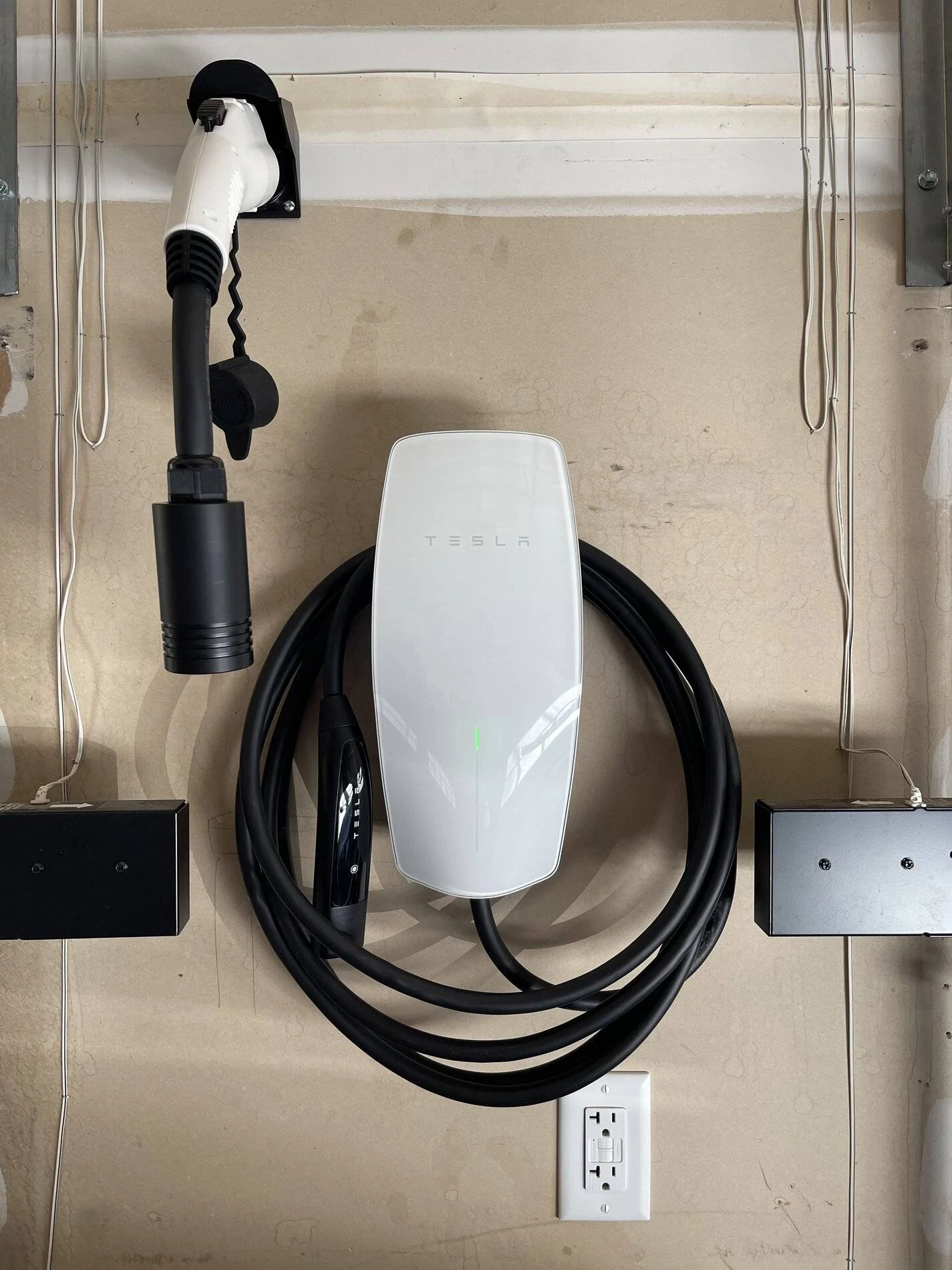
Plug-In Chargers Travel Easily
If your charger plugs into a NEMA 14-50 outlet — a dedicated 240V, 50-amp receptacle with two hots, a neutral and a ground, giving up to 40 amps of continuous charging — moving is simple. Unplug the charger, coil the cable, pack the unit and its mounting bracket, and take it with you. At the new home, a licensed electrician installs a new NEMA 14-50 outlet on a permitted, inspected circuit, and you plug the same charger straight back in.
That portability is the main reason renters and frequent movers choose plug-in. It is also why our NEMA 14-50 versus hardwired guide recommends plug-in for anyone who expects to move within a few years. The outlet stays behind as an improvement for the next occupant — a 240V outlet in the garage is useful for a welder, a compressor or the next owner's EV — and the charger itself goes with you.
Hardwired Chargers Need an Electrician at Both Ends
A hardwired charger — a Tesla Wall Connector, a ChargePoint Home Flex, a Wallbox or an Emporia wired directly into the circuit — cannot simply be unplugged. At the old home, an electrician must disconnect it safely, cap or remove the wiring, and make the circuit safe, usually by removing the breaker and blanking the circuit. At the new home, an electrician must run a new permitted circuit, mount the charger, wire it in, and arrange the inspection.
Do not disconnect a hardwired charger yourself. The circuit is live at the panel until the breaker is off and the work is verified dead, and the wiring must be left safe for whoever moves in next. A professional removal is a short job, and it is the step that keeps the old home safe and the new install clean. The charger itself — the expensive part — is reusable, so a reinstall is still cheaper than buying a new unit.
Renters: The Easiest Case for Moving
The New Home: Start with a Survey, Not an Assumption
Do not assume the new home is ready for the same charger at the same amperage. The new home may have a 100-amp panel where the old one had 200 amps, a panel on the far side of the house, or a garage with no spare breaker slot. A site survey and a load calculation at the new home come first — the same as any new install — and they decide whether the charger goes in at 48 amps, at 32 amps, or with a load management device.
Do I need a permit to install a Tesla charger at my new home? Yes, if the new home needs a new 240V circuit — and it almost always does. Every new circuit needs a permit and an inspection, even if the charger itself is one you already own. The permit is for the circuit, not the charger, and a reinstall without one is unpermitted work. Our Orlando permit guide and our Seminole County permit guide cover the process for each jurisdiction.
Should You Leave the Charger for the Buyer?
Sometimes the smartest move is to leave the charger behind. A fitted, permitted Level 2 charger is a genuine selling point for an EV-driving buyer, and it may be simpler — and cheaper overall — to leave it and install a new unit at the next home than to pay for a removal and a reinstall. It also avoids the risk of damaging the unit in transit or leaving the old home with an open circuit to make safe.
Agree it in writing either way. If the charger stays, say so in the sale agreement, with the model and any app accounts transferred or reset. If it goes, say that too, and agree who makes the old circuit safe. The worst outcome is a misunderstanding on moving day — a buyer who expected a charger that is already in a van, or a seller who left a live, disconnected cable in the wall.
A Moving Checklist
1. Decide: take it or leave it
Plug-in travels easily; hardwired needs an electrician at both ends. Agree the decision in writing in the sale or lease.
2. Book the removal
An electrician disconnects a hardwired unit safely and makes the old circuit safe. A plug-in unit simply unplugs.
3. Survey the new home
Site survey and load calculation at the new address decide the amperage, the wire run and whether the panel needs work.
4. Permit and reinstall
New circuit, new permit, new inspection — then mounting, testing and a walkthrough at the new home.
The Bottom Line
Your charger is an asset, not a fixture — unless you decide to leave it as a selling point. Plug-in travels in a box; hardwired travels with an electrician. Either way, the new home gets its own survey, its own load calculation and its own permit, and the old home is left safe.
Orlando EV Installers are licensed and insured Florida electricians, and we handle permits and inspection on every job, with a load calculation first. Call (407) 555-0134 (placeholder), or see our residential EV charger installation, our Level 2 EV charger installation and our NEMA 14-50 outlet installation. Related reading: our NEMA 14-50 versus hardwired guide, our apartment and condo rights guide and our guide to how long installation takes. We serve Winter Garden and Lake Mary and all of Central Florida — more in the blog and guides hub.
Questions Homeowners Ask Us
What happens when I move house — can I take my charger?
Yes, in most cases. A plug-in charger unplugs and travels with you. A hardwired charger needs an electrician to disconnect it safely at the old home and reinstall it at the new one.
I rent — can I still charge at home?
Often yes, with the landlord's agreement. A plug-in charger on a NEMA 14-50 outlet is the easiest option for renters, because the charger travels when you move and the outlet stays as an improvement.
Hardwired or plug-in — which is better for moving?
Plug-in is better if you expect to move, because it unplugs and travels. Hardwired is safer and more reliable for a long-term home, but it needs an electrician at both ends of a move.
Do I need a permit to install a Tesla charger at my new home?
Yes, if the new home needs a new 240V circuit. Every new circuit needs a permit and an inspection, even if the charger itself is one you already own.
Should I leave the charger for the buyer?
It depends on the sale. A fitted charger can be a selling point for an EV-driving buyer, and it may be simpler to leave it and install a new one at the next home. Agree it in writing in the sale, either way.